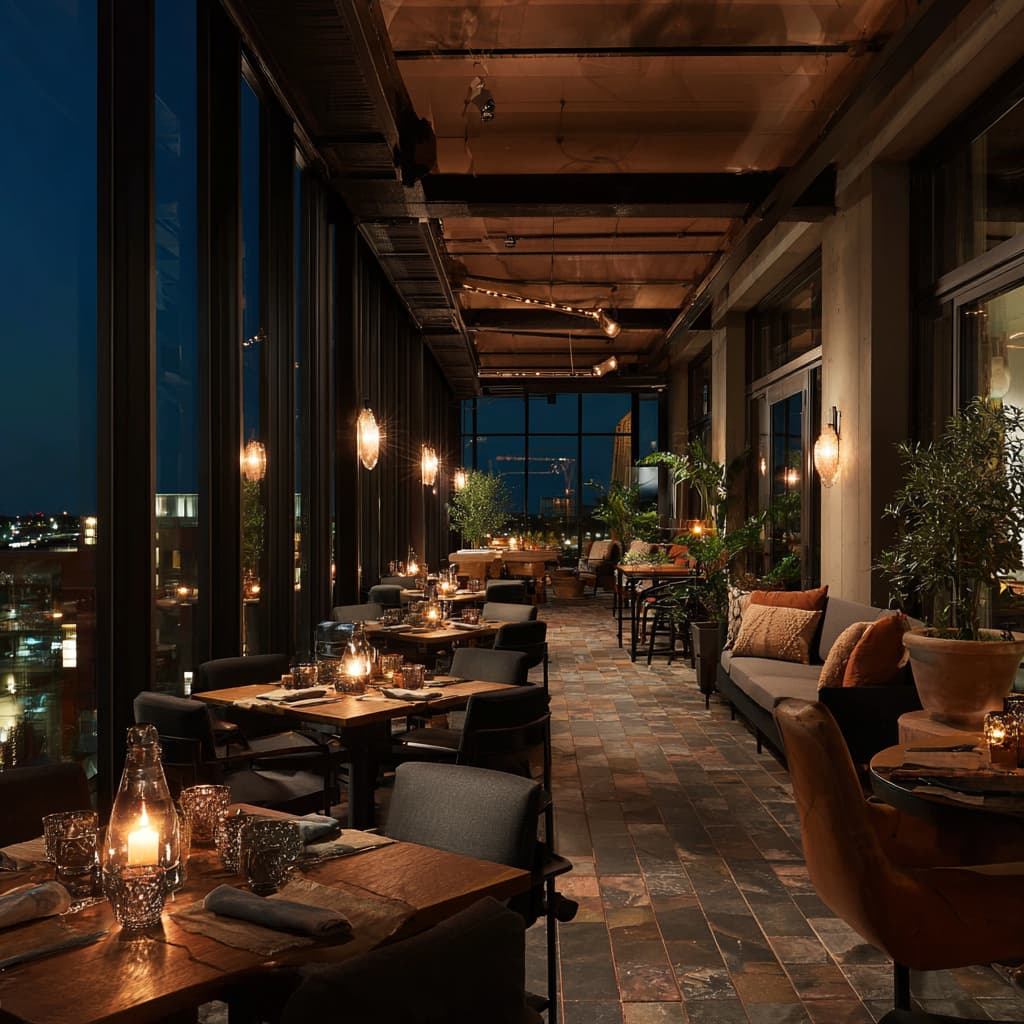
Boston is known for its maritime history, world-class universities, and a thriving cultural scene, but one thing the city has never been famous for is late-night dining. For decades, Boston kept a reputation as a place where kitchens closed early and night owls had to settle for whatever was left in convenience stores. In recent years, however, the landscape has begun to shift. A growing number of restaurants, lounges, and neighborhood eateries have extended their hours to serve workers, students, travelers, and anyone who simply prefers a late dinner. For those exploring the city after dark, the challenge is no longer finding something open, but choosing among the options.
This guide explores some of the most reliable places for late-night dining in Boston, focusing on restaurants that keep their kitchens running past 11 PM and offer full meals rather than only bar snacks. From Chinatown classics to modern eateries, there is more variety available at night than many visitors expect.
Chinatown: Boston’s Most Reliable Late-Night Hub
No neighborhood in Boston is more consistently active after midnight than Chinatown. For decades, this district has been the unofficial center of late-night food in the city. Students, service workers, and restaurant staff often head here after their shifts, knowing they can count on hearty dishes and generous portions even in the early hours.
One of the main attractions is the availability of traditional Cantonese and Hong Kong-style comfort food. Many restaurants offer congee, noodle soups, clay-pot rice, roasted meats, and seafood dishes that are served quickly and priced reasonably. The portions are generous, making Chinatown one of the best value choices for late-night dining. While the hours of individual restaurants may fluctuate, this neighborhood consistently remains the safest bet for full meals after 11 PM.
Allston: A Neighborhood Shaped by Students and Musicians
Allston’s food scene is shaped by its young population, live-music venues, and multicultural community. Late-night options usually overlap with Korean, Japanese, and fusion eateries popular with students from nearby universities. Many restaurants offer dishes such as Korean fried chicken, hot stone bibimbap, or large portions of ramen designed to satisfy late-night appetites.
Allston also has several casual eateries that specialize in comfort food with modern twists. The environment is relaxed, the crowds are diverse, and the kitchens tend to stay open later than those in many other parts of the city. This makes Allston a convenient stop for anyone seeking flavorful meals in a lively setting after most of Boston has already gone quiet.
South End: Elevated Late-Night Plates in a Stylish District
The South End is known for its brownstones, art galleries, and high-quality restaurants. While not the first neighborhood that comes to mind for after-midnight dining, it offers a few notable spots that keep their kitchens running late. These restaurants usually serve more refined dishes, such as small plates, seafood selections, or contemporary American cuisine.
The environment in the South End tends to be more polished and calm compared to student-heavy districts, making it ideal for a late dinner after theater performances, social events, or work commitments. Although the number of late-night venues is limited, those that remain open maintain a strong focus on thoughtful preparation and creative menus.
Back Bay and Fenway: Where Sports and Nightlife Shape the Menu
Back Bay and Fenway have a steady stream of diners, thanks to sports events, concerts, and nightlife. Many bars and restaurants in these areas extend their kitchen hours on weekends or event nights. The food offerings typically include American classics such as burgers, wings, nachos, and sandwiches, along with modern variations that appeal to a younger crowd.
What makes Back Bay and Fenway notable is the combination of location and reliability. Event schedules at Fenway Park or large music venues often influence restaurant hours, so visitors can usually find a place serving food later than expected. For those who enjoy a lively atmosphere after 11 PM, these neighborhoods provide an energetic backdrop without requiring travel across the city.
Cambridge and Somerville: A Short Trip for Late-Night Variety
While technically outside Boston, Cambridge and Somerville are part of the broader dining ecosystem and offer more late-night diversity than many Boston neighborhoods. Influenced by students from Harvard, MIT, Tufts, and local tech workers, these areas support a strong culture of cafés, ramen shops, diners, and globally inspired cuisine.
Kitchens in these neighborhoods often remain open past midnight, especially during academic seasons. The menus range from Middle Eastern street food to Japanese comfort dishes and American diner classics. For anyone staying near the Red Line or Green Line, traveling to Cambridge or Somerville can significantly expand late-night options.
What to Expect from Late-Night Dining in Boston
Although Boston’s late-night dining environment has improved, it remains more limited than in New York, Los Angeles, or Chicago. The restaurants that stay open after 11 PM often fall into predictable categories: Asian cuisine, American comfort food, casual eateries, and venues connected to nightlife. Still, there is a clear trend toward extended hours, driven by modern dining habits, tourism, and a growing number of young professionals.
Late-night diners should keep in mind that hours can change seasonally or based on staffing. Checking current schedules before heading out is always helpful, especially during winter or around holidays.
Why Boston’s Late-Night Scene Matters
The transformation of Boston’s food scene reflects the city’s broader cultural evolution. As nightlife expands and local businesses respond to changing customer needs, the dining landscape becomes more flexible and inclusive. Late-night options are essential for medical workers on overnight shifts, travelers experiencing jet lag, students studying late, and residents who simply prefer to eat at unconventional hours.
A stronger late-night dining culture also supports restaurants by diversifying their customer base. It encourages culinary experimentation and creates opportunities for smaller or newer establishments to gain visibility. For a city with a growing population and international influence, this development is both natural and beneficial.
Conclusion
Late-night dining in Boston has come a long way. While not every neighborhood offers options after 11 PM, the city now provides enough variety to satisfy both locals and visitors seeking meals in the late hours. Whether it is a hearty bowl of noodles in Chinatown, modern comfort food in Allston, refined plates in the South End, or energetic venues in Fenway, Boston’s nighttime kitchens reflect a city that is gradually embracing a more dynamic dining culture.
If you want, I can adapt this article to a shorter or longer format, add subheadings, or rewrite it with a more SEO-focused structure.